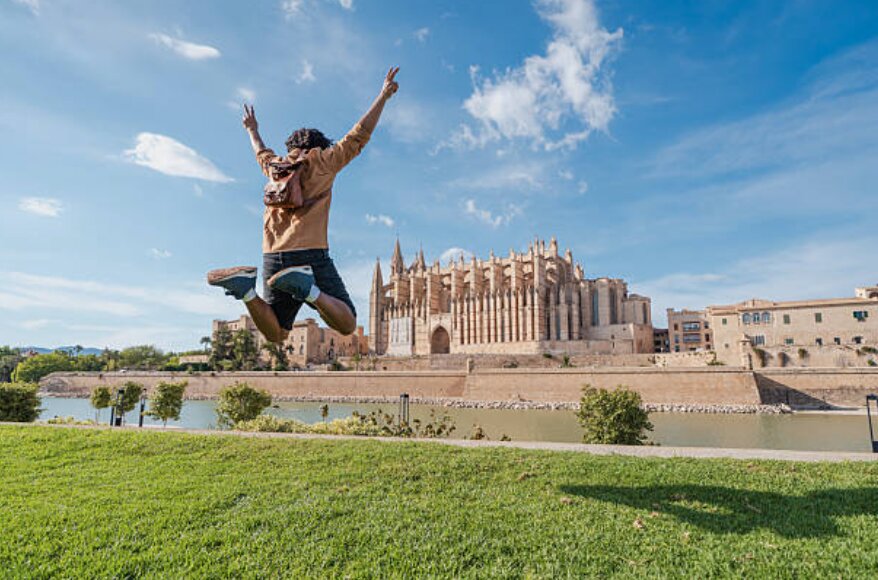


Mallorca is far more than turquoise waters and Mediterranean villas — it is one of Europe’s most sophisticated cultural destinations. For decades, the island has attracted artists, collectors, and creative visionaries drawn by its exceptional light, natural beauty, and cosmopolitan lifestyle. Legendary figures such as Joan Miró and Pablo Picasso found inspiration here, contributing to Mallorca’s enduring reputation as a creative sanctuary.
Table of Contents
Mallorca is often defined by its summer — long days, turquoise waters and a rhythm shaped by the Mediterranean sun.
But to understand the island properly, you have to step beyond that season. Because Mallorca is not built for a few months of the year. It is a place designed, almost quietly, for continuity.
Living in Mallorca year-round is not simply about staying longer. It is about experiencing how the island functions when it is no longer performing for visitors, but settling into its natural pace.
And that is where its real value begins to emerge.
By late September, a subtle shift takes place.
The intensity of summer recedes. Roads become quieter. The coastline feels more open. Restaurants and cafés return to a more local rhythm. The island, in a sense, exhales.
For residents, this is not the end of the season — it is the beginning of a different one.
Autumn in Mallorca is often overlooked, yet it is one of the most balanced times of the year. The sea remains warm, the temperatures soften, and the landscape takes on a calmer, more grounded tone.
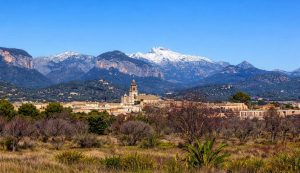
Winter follows not with harsh conditions, but with clarity. Light becomes sharper. Air feels cleaner. The Serra de Tramuntana reveals a different character — less dramatic, more contemplative.
Spring, in turn, reawakens the island gradually, without the urgency that defines other destinations.
This seasonal variation is not extreme — and that is precisely the point. Mallorca offers change without disruption.
Mallorca’s climate is frequently summarised as “mild” or “sunny”, but these descriptions miss something essential.
What defines the island is not simply temperature, but consistency of light and outdoor possibility.
With over 300 days of sunshine per year, even the winter months allow for an outdoor life that continues rather than pauses.
Unlike northern European climates, where winter imposes a clear break in lifestyle, Mallorca maintains continuity. Life does not move indoors completely. Movement, social life and daily routines remain connected to the outside.
This has a subtle but significant effect on how people live.
Time feels less fragmented. Days feel longer, even in winter. And the boundary between “seasonal living” and “year-round living” begins to dissolve.
Mallorca today is not just a holiday destination — it is a functioning, international place to live.
Over the past decade, the island has attracted a growing number of full-time residents, including:
Areas such as Pollensa, Palma and the southwest have developed into year-round communities, where services, restaurants and social life continue well beyond the summer months.
This creates a rare balance.
On one hand, Mallorca retains a strong local identity, with traditions, markets and a distinct cultural rhythm. On the other, it offers an international environment where integration is relatively natural.
For many residents, this duality is one of the island’s strongest attributes.
Everyday Living: Simplicity Without Sacrifice
There is a common assumption that island living requires compromise — a reduction in services, connectivity or convenience.
Mallorca challenges that perception.
In practical terms, daily life on the island is both comfortable and efficient:
But what changes is not what is available — it is how it is experienced.
Daily routines become less rushed. Distances feel shorter. Activities are less compressed into limited time.
There is a shift away from urgency, without losing functionality.
For families considering relocation, education is often one of the defining factors.
Mallorca offers a well-established network of international schools, making it a viable long-term option for those moving from abroad.
Among the most recognised are:
These institutions provide continuity in education while also benefiting from the island’s environment.
However, what distinguishes education in Mallorca is not only the schools themselves, but the broader context in which children grow up.
Children spend more time outside, less time in transit, and often develop a different relationship with both nature and daily routine.
For many families, this represents a significant shift — not just academically, but in terms of overall quality of life.
Winter in Mallorca is often misunderstood by those who only know the island in summer.
It is quieter, certainly. But it is also more defined.
Without the intensity of tourism, the island’s structure becomes clearer. Villages return to their natural rhythm. Local life becomes more visible. The landscape feels more present.
In Palma, cultural life continues throughout the year. Restaurants, galleries and social spaces remain active, though at a more measured pace.
In the countryside and coastal areas, winter introduces a different kind of atmosphere — one that is less about activity and more about presence.
For many long-term residents, this is when Mallorca feels most real.
A Lifestyle Built Around Continuity
Perhaps the most distinctive aspect of living in Mallorca year-round is not any single feature, but the continuity it offers.
The ability to remain outdoors in every season changes the structure of daily life.
This continuity removes the sense of interruption that characterises life in many other parts of Europe.
There is no clear divide between “summer life” and “winter life”. Instead, there is a gradual transition — one that allows for stability rather than disruption.
The Trade-Offs: Subtle but Real
Living in Mallorca full-time does require adjustment.
Some areas become noticeably quieter during the winter months. Certain seasonal businesses close or reduce hours. Outside Palma, a car is often necessary.
These factors are not limitations as much as they are structural characteristics of the island.
For those expecting a constant urban intensity, they may feel like compromises.
For those seeking a more balanced rhythm, they are often seen differently — as part of what defines Mallorca’s appeal.
From Visitor to Resident
One of the most interesting aspects of Mallorca is how perceptions change over time.
For visitors, the island is defined by experience — beaches, restaurants, landscapes.
For residents, it becomes something else.
Familiar routes gain meaning. Seasons create rhythm. Daily life develops a sense of continuity that is difficult to replicate elsewhere.
Mallorca does not reveal itself immediately. But over time, it becomes less of a destination and more of a framework for living.
A Different Way of Living
Living in Mallorca year-round is not about finding a better version of the same lifestyle.
It is about shifting to a different structure altogether.
Less acceleration.
More consistency.
Less fragmentation.
More presence.
In a world that increasingly prioritises speed and density, Mallorca offers an alternative — one that is quieter, but often more sustainable in the long term.
Considering a Move to Mallorca?
At Balearic Properties, we work with clients who are not just searching for a property, but for a long-term lifestyle decision.
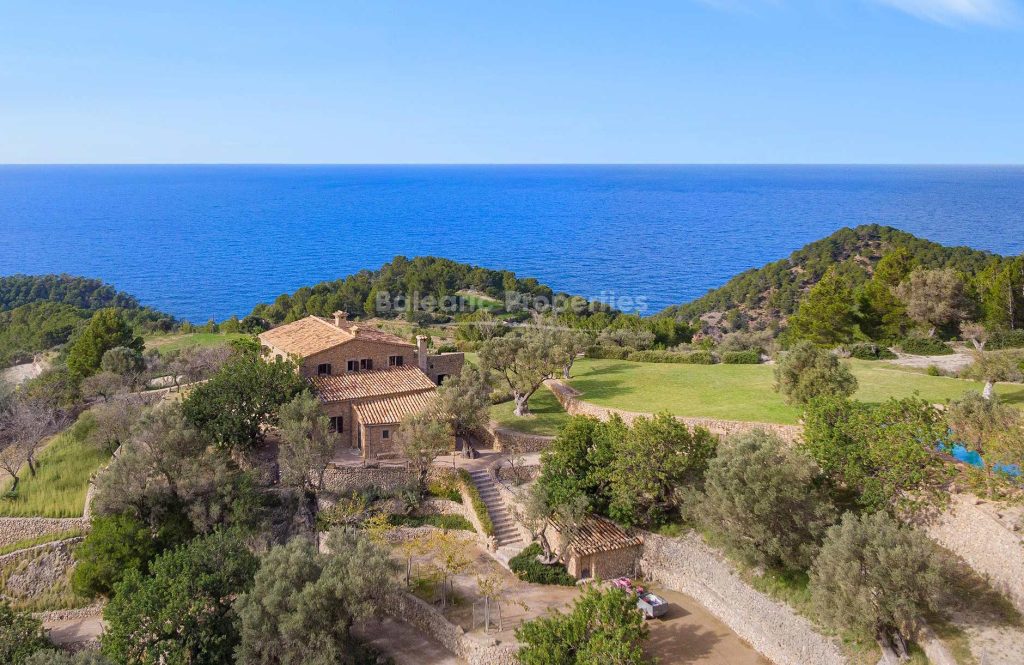
From traditional fincas in the countryside to modern villas by the sea and apartments in Palma, Mallorca offers a range of possibilities — each aligned with a different way of living on the island.
The decision to live here is rarely impulsive. But once made, it is rarely reversed.
Call now, send us a message on WhatsApp, or fill out the contact form, and we’ll get back to you as soon as possible.